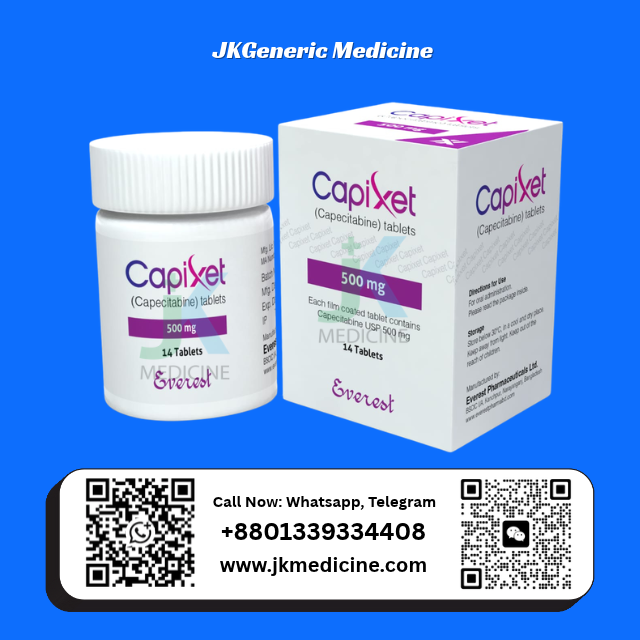
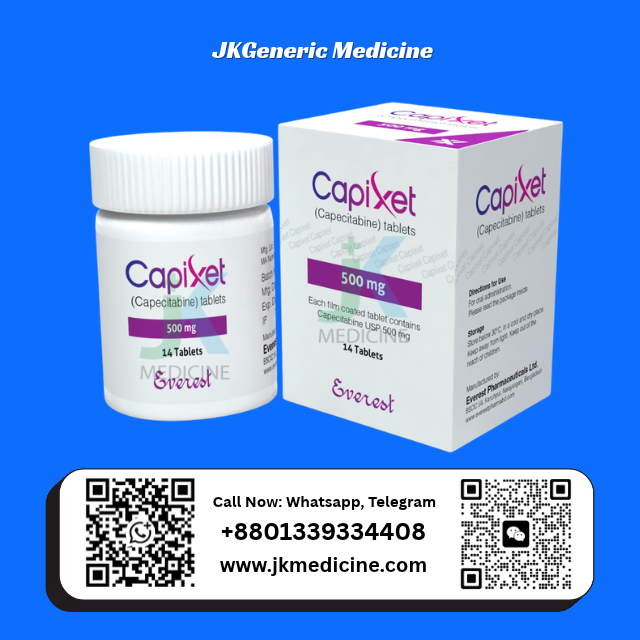
Capixet 500 Mg (Capecitabine)
Capixet 500 mg contains capecitabine, an oral chemotherapy medicine used to treat certain types of cancer. It belongs to a group of medicines called antimetabolites. Doctors prescribe capecitabine for selected patients with colorectal, breast, and other cancers.
This medicine works by interfering with the growth and multiplication of cancer cells. It is converted into an active substance inside the body that affects DNA production. As a result, cancer cells become less able to grow and divide.
Capixet 500 mg is a prescription-only oncology medicine. Its use requires proper medical supervision, laboratory monitoring, and careful assessment of the patient's condition. Treatment decisions depend on cancer type, disease stage, previous therapies, and individual tolerance.
What Is Capixet 500 Mg Used For?
Capixet 500 mg is used to manage certain cancers, either alone or alongside other anticancer medicines. Its approved uses depend on the country and applicable prescribing information.
Common clinical applications include:
Colorectal Cancer: Used in selected patients with colon or colorectal cancer, including certain postoperative treatment settings and advanced disease.
Breast Cancer: Used for selected patients with advanced or metastatic breast cancer, particularly when previous chemotherapy has not provided sufficient benefit.
Gastrointestinal Cancers: May be included in specialist-directed treatment regimens for certain stomach and other gastrointestinal cancers.
Combination Chemotherapy: Sometimes combined with other anticancer medicines to improve treatment effectiveness in appropriate patients.
The oncologist determines whether capecitabine is suitable based on the patient's diagnosis, treatment history, and overall health.
How Does Capecitabine Work?
Capecitabine is an oral prodrug, meaning the body converts it into an active anticancer substance. Its active metabolite is called 5-fluorouracil (5-FU).
After administration, capecitabine passes through several metabolic conversion steps. It is eventually converted into 5-FU, which interferes with important processes involved in cancer cell growth.
The active substance inhibits thymidylate synthase, an enzyme required for DNA synthesis. This reduces the availability of thymidine, an essential component of DNA.
Consequently, cancer cells experience difficulties producing and repairing DNA. This process can slow their growth and lead to cell death.
Capecitabine may also interfere with RNA production. These combined effects help control the growth of susceptible cancer cells.
Recommended Dosage and Administration
The appropriate capecitabine dose depends on the cancer type, body surface area, kidney function, and treatment combination.
Capixet 500 mg tablets should be taken exactly as prescribed by the oncologist.
Treatment commonly follows cycles involving 14 days of medication followed by a 7-day rest period.
Tablets are generally taken twice daily, approximately 12 hours apart.
Take each dose within 30 minutes after finishing a meal.
Swallow tablets whole with water. Do not crush or chew them.
The oncologist may adjust the dose or treatment schedule depending on side effects and laboratory results. A 500 mg tablet is a strength, not a recommended dose for every patient. Never change the prescribed regimen independently.
Possible Side Effects of Capixet 500 Mg
Like other chemotherapy medicines, capecitabine can cause side effects. Their severity varies between patients.
Common side effects include:
Diarrhea and abdominal discomfort
Nausea and vomiting
Loss of appetite
Fatigue and weakness
Mouth sores or inflammation
Hand-foot syndrome
Skin dryness, redness, or rash
Changes in blood cell counts
Serious side effects requiring medical attention:
Severe or persistent diarrhea
Significant dehydration
Unusual bleeding or bruising
Severe skin reactions or blistering
Chest pain or irregular heartbeat
Fever or signs of serious infection
Severe abdominal pain
Hand-foot syndrome, also called palmar-plantar erythrodysesthesia, can cause redness, swelling, tingling, and painful skin changes on the palms and soles.
Patients should contact their oncology team promptly if these symptoms develop. Severe reactions may require temporary treatment interruption or dose adjustment.
Important Precautions and Drug Interactions
Before starting Capixet 500 mg, patients should inform their doctors about existing medical conditions and current medications.
Important precautions include:
DPD Deficiency: Deficiency of dihydropyrimidine dehydrogenase can increase the risk of severe or potentially fatal toxicity. DPYD genetic testing is recommended before treatment unless immediate treatment is necessary.
Kidney Problems: Patients with impaired kidney function may require dosage adjustments and closer monitoring.
Heart Conditions: Capecitabine can cause cardiotoxicity, including chest pain and other cardiac complications.
Pregnancy: Capecitabine can harm an unborn baby. Effective contraception is important during treatment and for the recommended period afterward.
Breastfeeding: Breastfeeding should be avoided during treatment and for the recommended period after the final dose.
Important drug interactions include warfarin and other vitamin K antagonists, phenytoin, allopurinol, and certain other medicines. Patients should disclose all prescription medicines, supplements, and herbal products before starting chemotherapy.
Storage and Handling
Store Capixet 500 mg according to the manufacturer's instructions. Keep the tablets in their original packaging and protect them from excessive heat and moisture.
Keep this prescription medicine away from children and pets. Do not use tablets beyond their expiry date. Patients and caregivers should avoid handling damaged or crushed tablets without appropriate professional guidance.
Conclusion
Capixet 500 mg (Capecitabine) is an oral chemotherapy medicine used for managing selected colorectal, breast, and other cancers. It works by interfering with DNA synthesis and restricting cancer cell growth. Successful treatment requires an appropriate prescription, regular medical monitoring, and careful management of side effects. Patients should follow their oncologist's instructions throughout treatment. Capixet 500 mg should never be used without specialist supervision.