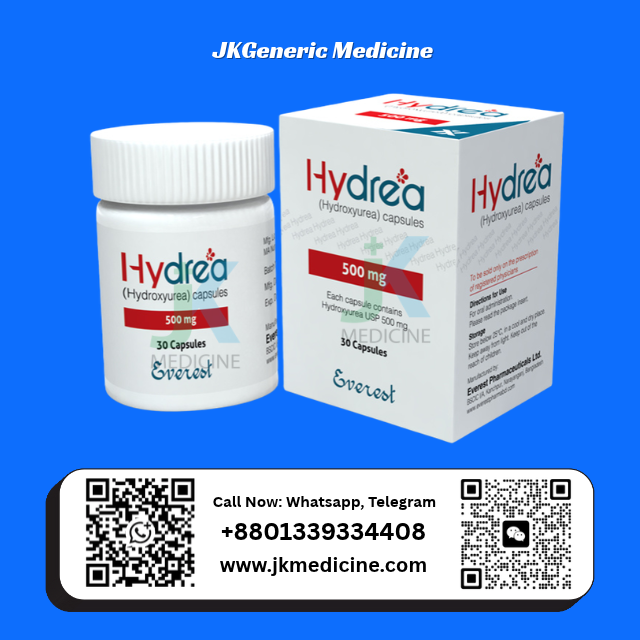
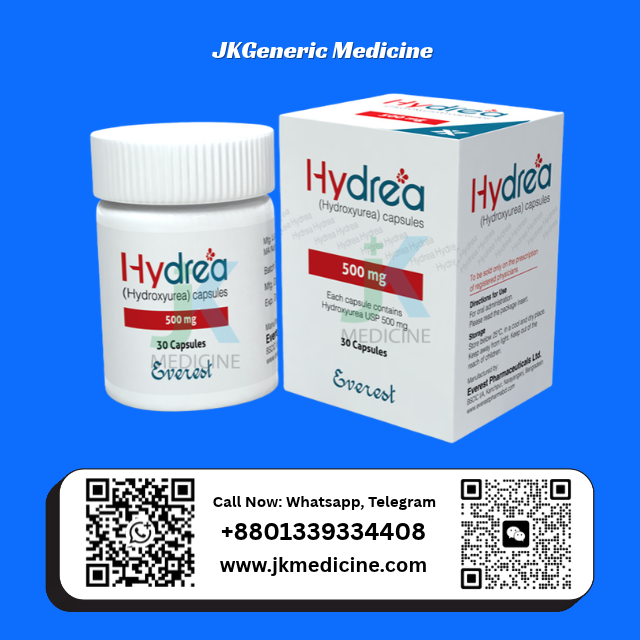
Hydrea 500 mg (Hydroxyurea)
Hydrea 500 mg contains hydroxyurea, an antineoplastic and antimetabolite medicine used to manage certain blood disorders and cancers. It works by interfering with DNA synthesis, which helps control the growth and multiplication of abnormal blood cells. Physicians prescribe this medicine according to the patient's diagnosis, blood counts, treatment response, and overall health.
Hydrea 500 mg requires specialist supervision because it can suppress bone marrow activity and increase the risk of infections, anemia, and bleeding. Regular blood tests are essential throughout treatment.
What Is Hydrea 500 mg Used For?
Hydrea 500 mg is prescribed for several conditions involving abnormal blood cell production or uncontrolled cell growth. Its approved uses may vary depending on the country's regulatory labeling.
Common medical uses include:
Chronic Myeloid Leukemia (CML): Helps control excessive production of abnormal white blood cells.
Polycythemia Vera: Reduces excessive red blood cell production and helps manage elevated blood counts.
Essential Thrombocythemia: Helps control excessive platelet production in selected patients.
Head and Neck Cancer: May be used in specific chemotherapy regimens, sometimes alongside radiation therapy.
Sickle Cell Disease: Hydroxyurea is also used in appropriately selected patients to reduce painful crises and certain disease-related complications.
The exact indication depends on the prescribed treatment protocol. Hydrea should not be used for self-treatment or without a confirmed medical diagnosis.
How Does Hydroxyurea Work?
Hydroxyurea is classified as an antimetabolite and ribonucleotide reductase inhibitor. It interferes with the production of deoxyribonucleotides, which cells need to synthesize DNA.
By inhibiting ribonucleotide reductase, hydroxyurea reduces the availability of building blocks required for DNA replication. This action slows the multiplication of rapidly dividing cells, including certain cancer cells and abnormal blood-forming cells.
In sickle cell disease, hydroxyurea has an additional important effect. It increases fetal hemoglobin (HbF) production in many patients. Higher HbF levels can reduce red blood cell sickling and help decrease painful episodes.
Recommended Dosage and Administration
Hydrea 500 mg is an oral prescription medicine. The appropriate dosage depends on the medical condition, body weight, kidney function, blood counts, and treatment response.
Chronic Myeloid Leukemia: The specialist determines the starting dose and adjusts it according to blood counts and clinical response.
Head and Neck Cancer: The dose depends on the chemotherapy and radiation treatment protocol.
Blood Disorders: Hydroxyurea may be prescribed for selected conditions, including polycythemia vera and essential thrombocythemia, under specialist supervision.
Sickle Cell Disease: Hydroxyurea treatment follows a separate weight-based protocol and requires regular blood monitoring.
Patients should swallow Hydrea capsules whole with water. Do not crush, open, chew, or break the capsules. Take the medicine at the prescribed time and follow the specialist's instructions.
Dose adjustments may be necessary when blood counts decrease or kidney function is impaired. The US prescribing information recommends reducing the initial dose by 50% when creatinine clearance is below 60 mL/min.
Possible Side Effects of Hydrea 500 mg
Hydrea can cause side effects because it affects rapidly dividing cells and bone marrow activity. Their severity varies between patients.
Common side effects include:
Nausea and vomiting
Diarrhea or constipation
Loss of appetite
Mouth and throat ulcers
Headache and dizziness
Hair loss
Skin rashes and nail changes
Changes in blood cell counts
Serious side effects include:
Severe anemia
Neutropenia and increased infection risk
Thrombocytopenia and unusual bleeding
Skin ulcers and vasculitis
Liver-related complications
Lung inflammation or breathing difficulties
Increased risk of certain secondary malignancies
Contact a healthcare professional immediately if fever, unusual bruising, persistent bleeding, breathing difficulties, or severe weakness develops.
Important Precautions and Safety Information
Hydrea 500 mg requires careful monitoring throughout treatment. Patients should inform their specialist about previous chemotherapy, radiation therapy, kidney problems, liver conditions, and existing blood disorders.
Regular complete blood count (CBC) testing helps identify bone marrow suppression. Kidney function and other relevant laboratory parameters may also require assessment.
Hydroxyurea can harm an unborn baby. Patients who are pregnant, planning pregnancy, or breastfeeding should discuss treatment risks with their specialist. Effective contraception is important during treatment and for the recommended period afterward.
Patients should limit unnecessary sunlight exposure and use protective clothing and sunscreen. Live vaccines should generally be avoided during treatment unless the treating specialist advises otherwise.
Do not start, stop, or change the prescribed dose without medical advice.
Drug Interactions
Certain medicines may increase the risk of complications when taken with hydroxyurea. Inform the prescribing specialist about all medications, supplements, and vitamins being used.
Important considerations include:
Antiretroviral medicines: Certain combinations may increase the risk of pancreatitis, liver toxicity, and nerve damage.
Other Chemotherapy Drugs: Combined treatment may increase bone marrow suppression.
Radiation Therapy: Concurrent treatment can increase toxicity and skin reactions.
Live Vaccines: Immunosuppression may increase the risk of vaccine-related complications.
The specialist should review potential interactions before starting treatment.
Storage and Handling
Store Hydrea 500 mg according to the manufacturer's packaging instructions. Keep the capsules in their original container, away from excessive heat and moisture.
Hydroxyurea is a cytotoxic medicine. Patients and caregivers should follow appropriate handling precautions and avoid contact with damaged capsules or their contents. Keep the medicine away from children and pets.
Frequently Asked Questions
What is Hydrea 500 mg used for?
Hydrea 500 mg is used for certain cancers, including resistant chronic myeloid leukemia and locally advanced head and neck cancer. Hydroxyurea is also prescribed for selected blood disorders.
Is Hydrea 500 mg a chemotherapy medicine?
Yes. Hydroxyurea is an antimetabolite chemotherapy medicine that interferes with DNA synthesis and slows the multiplication of certain abnormal cells.
Can Hydrea 500 mg lower blood cell counts?
Yes. It can reduce white blood cells, red blood cells, and platelets. Regular blood tests help monitor these changes.
Should Hydrea 500 mg be taken with food?
Follow the prescribing specialist's instructions. Swallow the capsule whole with water.
Does Hydrea 500 mg require a prescription?
Yes. Hydrea 500 mg requires a valid prescription and medical supervision because of its potential serious adverse effects.
Conclusion
Hydrea 500 mg (Hydroxyurea) is an established antimetabolite medicine used in the management of selected cancers and blood disorders. Its effectiveness depends on the medical indication, appropriate dosing, and regular laboratory monitoring. Patients should follow specialist instructions and report unusual symptoms promptly. Proper medical supervision helps manage treatment-related risks and supports safer use.