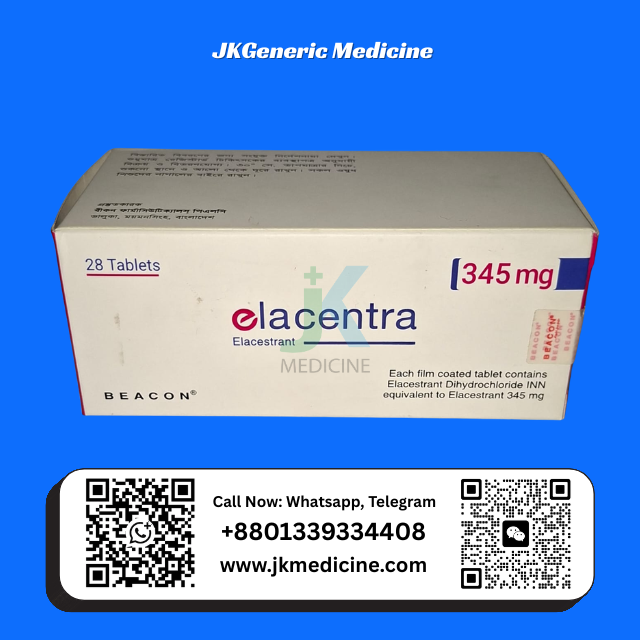
Elacentra 345 Mg (Elacestrant)
Elacentra 345 Mg contains Elacestrant, an oral hormonal therapy developed for the treatment of certain types of advanced breast cancer. It belongs to a newer generation of endocrine therapies designed to target estrogen receptor-positive tumors that continue to grow despite previous hormone treatments. By acting directly on estrogen receptors, Elacentra helps slow disease progression and offers an additional treatment option for patients whose cancer has become resistant to conventional endocrine therapies.
Breast cancer remains one of the most commonly diagnosed cancers worldwide, and many cases depend on estrogen signaling for tumor growth. Elacentra 345 Mg was introduced to address the unmet need for effective therapies in patients with hormone receptor-positive disease, especially those carrying specific genetic mutations associated with treatment resistance.
What Is Elacestrant?
Elacestrant is classified as a selective estrogen receptor degrader (SERD). Unlike traditional hormone therapies that simply block estrogen activity, Elacestrant binds to estrogen receptors and promotes their degradation. This process reduces the number of receptors available for estrogen stimulation, thereby limiting the growth and spread of cancer cells.
How Elacestrant Works
Estrogen receptors are proteins found on the surface or inside certain breast cancer cells. These receptors receive signals from estrogen, encouraging cancer cells to multiply. Elacestrant interferes with this process by attaching to the receptor and causing structural changes that lead to its destruction.
As estrogen receptor levels decline, cancer cells lose an important growth signal, which may result in slowed tumor progression and improved disease control.
Uses of Elacentra 345 Mg
Elacentra 345 Mg is primarily prescribed for adults with:
Hormone receptor-positive (HR-positive) breast cancer
Human epidermal growth factor receptor 2-negative (HER2-negative) breast cancer
Locally advanced or metastatic breast cancer
Disease progression following previous endocrine therapy
Healthcare providers may recommend this medication after evaluating the patient's medical history, prior treatments, and genetic testing results.
Patients Who May Benefit Most
Individuals with tumors harboring ESR1 mutations often derive greater benefit from Elacestrant therapy. These mutations can develop after prolonged exposure to hormone treatments and may contribute to resistance against commonly used endocrine medications.
Genetic testing helps physicians identify patients who are most likely to respond favorably to treatment.
Recommended Dosage and Administration
The standard recommended dose is 345 mg taken orally once daily.
Instructions for Taking Elacentra
Patients should follow these guidelines:
Take the tablet at approximately the same time each day.
Swallow the tablet whole with water.
Do not crush, split, or chew the tablet.
It is generally recommended to take the medication with food.
Continue treatment until disease progression or unacceptable side effects occur.
If a dose is missed, patients should consult their healthcare provider or follow the instructions included in the prescribing information.
Benefits of Elacentra 345 Mg
Elacentra offers several advantages compared with some older endocrine therapies.
Oral Administration
Unlike injectable SERDs, Elacentra is available as an oral tablet, allowing patients to receive treatment at home without frequent clinic visits.
Activity Against Resistant Tumors
Elacestrant has demonstrated effectiveness in cancers that have developed resistance to previous hormonal treatments, particularly in tumors carrying ESR1 mutations.
Potential for Improved Disease Control
Clinical studies have shown that Elacestrant can help delay disease progression in selected patients, providing an important therapeutic option when other endocrine therapies are no longer effective.
Possible Side Effects
As with most anticancer medications, Elacentra 345 Mg may cause side effects. Not every patient experiences these reactions, and many are manageable with supportive care.
Common Side Effects
Frequently reported side effects include:
Nausea
Fatigue
Vomiting
Loss of appetite
Joint pain
Constipation
Increased cholesterol levels
Headache
Serious Side Effects
Although less common, some patients may develop more severe complications such as:
Significant liver function abnormalities
Severe gastrointestinal symptoms
Marked elevations in blood lipid levels
Patients should promptly report unusual symptoms or worsening side effects to their healthcare provider.
Precautions Before Using Elacentra
Several factors should be considered before initiating treatment.
Pregnancy and Breastfeeding
Elacentra may cause harm to an unborn baby. Women who are pregnant or planning pregnancy should discuss potential risks with their doctor. Effective contraception is recommended during treatment and for a period after the last dose.
Breastfeeding is generally not advised while taking Elacentra because it is unknown whether the drug passes into breast milk.
Liver Problems
Patients with existing liver disease may require closer monitoring, as impaired liver function can influence how the medication is processed.
Drug Interactions
Certain medications may alter the effectiveness of Elacentra or increase the likelihood of adverse effects. These include some antibiotics, antifungal agents, anticonvulsants, and herbal supplements.
Patients should provide their healthcare team with a complete list of all prescription drugs, over-the-counter medicines, vitamins, and supplements they are taking.
Storage Information
Elacentra 345 Mg tablets should be stored:
At room temperature
Away from excessive heat and moisture
In their original packaging
Out of reach of children and pets
Unused or expired tablets should be disposed of according to local pharmaceutical waste guidelines.
Conclusion
Elacentra 345 Mg (Elacestrant) represents an important advancement in the management of hormone receptor-positive, HER2-negative advanced breast cancer. Its unique ability to degrade estrogen receptors, combined with the convenience of once-daily oral administration, makes it a valuable treatment option for patients whose disease has progressed after previous endocrine therapies. Proper medical supervision, regular monitoring, and adherence to prescribed instructions can help maximize the benefits of this targeted therapy while minimizing potential risks.