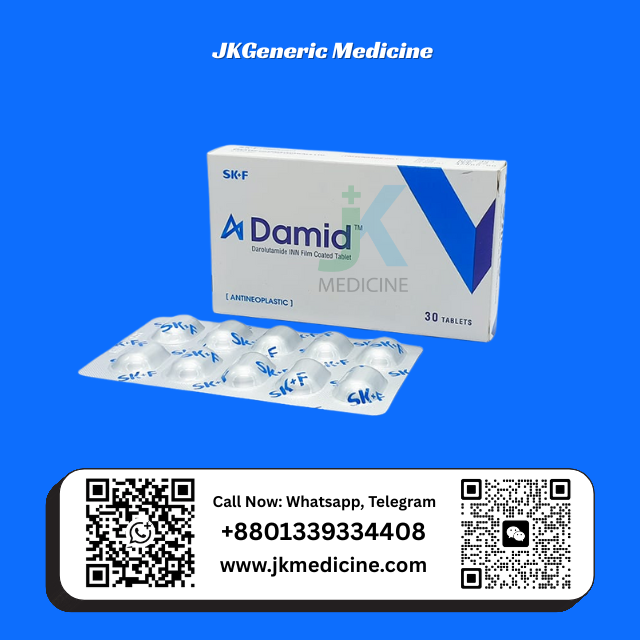
Damid (Darolutamide 300 mg)
Damid packs 300 mg of Darolutamide into each tablet—a modern, oral treatment that’s become a go-to for prostate cancer. It’s part of a group called androgen receptor inhibitors, which basically means it blocks the hormones (like testosterone) that fuel prostate cancer growth. Thanks to its advanced design and a safety record doctors trust, Damid now plays a big role in how we treat prostate cancer today.
You’ll find oncologists and urologists prescribing Damid to people who need targeted, long-term management. It’s not a one-size-fits-all thing—doctors tailor it to each patient.
So, what’s Darolutamide all about?
It’s a non-steroidal drug that stops androgens (those male hormones) from activating cancer cells. These hormones are a major driver behind prostate cancer. What’s interesting about Darolutamide is its unique structure. Unlike some older drugs, it doesn’t cross into the brain much, so you see fewer neurological side effects—less fatigue, confusion, or seizures. For a lot of patients, that makes a big difference.
Each Damid tablet gives you 300 mg of Darolutamide. That means dosing is precise and straightforward.
When do doctors reach for Damid? Here’s where it fits:
1. Non-Metastatic Castration-Resistant Prostate Cancer (nmCRPC):
When prostate cancer keeps growing despite hormone therapy, Damid helps slow things down and keeps the cancer from spreading.
2. Metastatic Hormone-Sensitive Prostate Cancer (mHSPC):
Here, it’s used with other treatments, helping slow progression and boost survival.
3. Long-Term Management:
It works well for patients who need ongoing hormone control and often gets combined with other therapies.
Of course, Damid isn’t something you take on your own. Doctors supervise and adjust the plan as needed for each person.
How does Damid actually work? It targets the androgen receptor pathway—the main route testosterone uses to drive cancer cell growth. In plain terms: Damid blocks testosterone from hooking up with its receptors, shuts down genes that help cancer thrive, and stops cancer cells from dividing. The result? Tumor growth slows, and the disease stays under control longer.
As for taking it, the standard dose is 600 mg a day (so, two 300 mg tablets, one in the morning and one at night). Always take it with food, and swallow the tablets whole with water. Stick to the same times each day. Don’t crush, chew, or split the tablets. Even if you feel better, don’t quit unless your doctor says so. If you miss a dose, don’t double up—just take the next one as scheduled. If you have liver or kidney problems, your doctor might adjust the dose.
Damid brings some real benefits to the table:
- It’s effective. It slows down disease progression, reduces the risk of cancer spreading, and improves survival.
- It’s safer, especially for the brain. Patients—especially older adults—see fewer issues like fatigue or confusion.
- It helps people keep up with daily life and stick to their treatment plans.
- It plays nicely with other treatments, from hormone therapy to chemotherapy and supportive care.
Like any medication, Damid can cause side effects. Not everyone gets them, and your doctor will keep an eye out and help manage anything that comes up.
Common Side Effects
Fatigue
Nausea
Decreased appetite
Joint or muscle pain
Rash
Less Common Side Effects
High blood pressure
Anemia
Liver enzyme elevation
Weight changes
Rare but Serious Effects
Heart-related issues
Severe allergic reactions
Significant liver dysfunction
Patients should report any unusual symptoms to their healthcare provider immediately.
Precautions and Warnings
Before starting Damid, patients should inform their doctor about:
Liver or kidney disease
Heart conditions
History of seizures
Other ongoing medications
Allergies
Key Precautions
Not recommended for women or children.
If you’re a man taking Damid and your partner could get pregnant, make sure you use reliable birth control.
You’ll probably need regular blood tests. Your doctor will also want to keep an eye on your blood pressure and heart health.
Don’t try to treat yourself—always stick to your doctor’s instructions.
Drug Interactions
Damid doesn’t always play nice with other meds. Some drugs can mess with how well it works or even make it unsafe. Watch out if you’re taking:
Strong CYP3A4 inducers
Certain antibiotics or antifungals
Anti-seizure medications
Herbal supplements like St. John’s Wort
Tell your doctor about everything you take, even vitamins or herbal stuff.
Storage and Handling
Keep Damid at room temperature (below 30°C), somewhere dry, away from sunlight. Don’t let kids get to it, and never use it past its expiration date. Storing it right keeps it working as it should.
Role in Modern Prostate Cancer Treatment
Damid (Darolutamide 300 mg) is a big step forward for treating prostate cancer. It targets the disease directly, is easier on the body than some older drugs, and solid studies back it up. For men who need treatment over the long haul but want to avoid issues with their nerves or day-to-day life, Damid makes a real difference. Doctors use it as part of a bigger plan to help patients live longer and better.
Conclusion
Damid (Darolutamide 300 mg) is a powerful androgen receptor blocker for advanced prostate cancer. It slows down cancer growth and helps patients live longer, all while being relatively easy to take.
With its mix of strong results, safety, and simple dosing, Damid has become a go-to choice in cancer care. Used the right way, it helps patients not just survive, but live well.